Invitation Script: A Premium Typeface for Editorial Design
In the crowded landscape of digital publishing, the difference between a scroll-past and a deep read often comes down to typography. As content creators, we are constantly balancing the need for modern aesthetics with the timeless requirement of readability. This is where Invitation Script enters the conversation. Developed by Iza W and available through Script Amp, this typeface is not merely a decorative element; it is a contemporary reinvention of the timeless calligraphy from Portuguese master penman Manuel de Andrade de Figueiredo. For bloggers, magazine designers, and ebook authors, Invitation Script offers a unique bridge between historical elegance and modern editorial utility.
The Visual Personality of a Modern Classic
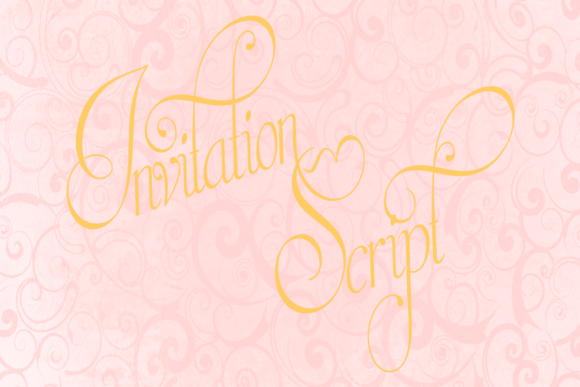
When selecting a script font for publication work, the primary concern is often legibility versus flair. Many handwritten fonts sacrifice clarity for style, making them unsuitable for anything other than large display text. Invitation Script, however, manages to retain the fluid, organic motion of traditional calligraphy while maintaining the structural integrity required for professional layouts. Its strokes possess a natural rhythm that mimics the pressure variations of a nib pen, giving it a human touch that feels authentic rather than digitally manufactured.
This premium font carries a personality that is both inviting and authoritative. It does not scream for attention like some novelty display fonts; instead, it whispers sophistication. This makes it an ideal candidate for brands that wish to project warmth without losing credibility. Whether you are designing a lifestyle blog header or a high-end coaching workbook, the visual tone set by Invitation Script suggests care, craftsmanship, and attention to detail.
Elevating Editorial Hierarchies
The true power of a versatile typeface lies in its ability to establish a clear visual hierarchy. In long-form content such as ebooks, newsletters, and digital guides, readers rely on typographic cues to navigate the material. Invitation Script excels as a display font for chapter openers, section headings, and pull quotes. By using this script for introductory elements, you create a distinct separation from the body copy, guiding the reader's eye naturally through the narrative arc of your piece.
Consider the layout of a digital magazine or a printable planner. Using Invitation Script for cover text or major headlines instantly establishes a brand identity that feels curated. When paired with a clean sans serif font for navigation elements and captions, the contrast creates a dynamic yet balanced composition. Alternatively, pairing it with a traditional serif font for body copy can evoke a sense of literary heritage, perfect for historical fiction ebooks or wedding guides where tradition is paramount.
Practical Applications Across Media
The versatility of Invitation Script allows it to shine across various formats. Here is how you can integrate it into your design workflow:
- Blog Headers and Social Graphics: Use the font for post titles to increase click-through rates. Its elegant curves stand out in social media feeds, offering a break from the ubiquitous geometric sans serifs.
- Ebook Titles and Covers: A strong cover design relies on typography that conveys genre and mood. Invitation Script adds a layer of sophistication to recipe ebooks, self-help guides, and creative portfolios.
- Newsletter Branding: In paid newsletters or weekly digests, consistency is key. Using this font for your logo or signature sign-off reinforces your personal brand identity with every send.
- Quote Layouts: Pull quotes are essential for breaking up dense text. Rendering these in Invitation Script turns a simple sentence into a shareable graphic asset.
- Printable Worksheets: For course creators selling PDF downloads, the font adds a premium feel to worksheets and checklists, increasing the perceived value of the digital product.
Readability and Technical Considerations
While aesthetic appeal is crucial, functional design must account for the medium of consumption. On screen, particularly on mobile devices, fine details in script fonts can sometimes vanish or blur. Invitation Script is designed with sufficient stroke weight and spacing to remain legible even at smaller sizes, though it is best reserved for headlines and short phrases rather than long paragraphs. For body text, always defer to a highly readable serif or sans serif to ensure accessibility and reduce eye strain.
For print applications, such as physical magazines or printed guides, the font's connection to Manuel de Andrade de Figueiredo's original work truly shines. The nuances of the ink flow and the sharpness of the terminals are preserved beautifully in high-resolution PDF exports. When preparing files for print, ensure you are utilizing the full character set, including any included alternates or ligatures, to prevent repetitive patterns that can make script text look mechanical.
Strategic Font Pairing
To maximize the impact of Invitation Script, thoughtful font pairing is essential. Because script fonts are inherently complex, they require a partner that provides stability. A geometric sans serif works well for modern, minimalist layouts, allowing the script to be the sole source of ornamentation. Conversely, a humanist serif complements the organic nature of the script, creating a cohesive, classic look suitable for luxury branding or editorial features. Avoid pairing it with other decorative or handwritten fonts, as this creates visual competition that confuses the reader.
Licensing and Commercial Use
For professional publishers and independent creators, understanding licensing is as important as understanding design. Invitation Script is a commercial font, meaning it is licensed for use in client projects, paid templates, and products for sale. Whether you are creating a logo for a client, designing a template for Etsy, or embedding the font in a paid ebook, ensuring you have the correct commercial license is vital for legal compliance. Script Amp typically provides clear guidelines regarding desktop, web, and app licensing, allowing you to deploy the font confidently across your entire ecosystem of design assets.
In conclusion, Invitation Script represents more than just a stylistic choice; it is a tool for enhancing reader engagement and elevating brand perception. By blending historical calligraphic roots with contemporary design needs, it offers a solution for creators who refuse to compromise on quality. Whether you are typesetting a quarterly journal or designing a lead magnet, this typeface provides the elegance and structure necessary to make your content unforgettable.